
എസ്. എ.ടി.എച്ച്.എസ്. മഞ്ചേശ്വർ/ലിറ്റിൽകൈറ്റ്സ്/2023-26/100yearold Tree
ನಾಗಲಿಂಗ ಪುಷ್ಪ ಮರ (Couroupita guianensis) - Ref: wikipedia
-
 Nagasampige Tree
 -
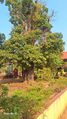


Couroupita guianensis, known by a variety of common names including cannonball tree, is a deciduous tree in the flowering plant family Lecythidaceae. It is native to lowland tropical rainforests of Central and South America, from Costa Rica, south to Brazil and northern Bolivia and it is cultivated in many other tropical areas throughout the world because of its fragrant flowers and large fruits, which are brownish grey. There are potential medicinal uses for many parts of Couroupita guianensis, and the tree has cultural and religious significance in South and Southeast Asia. In Sri Lanka and India, the cannonball tree has been widely misidentified as the Sal tree (Shorea robusta), after its introduction to the island by the British in 1881, and has been included as a common item in Buddhist temples as a result.
Flowers
The flowers are borne in racemes up to 80 cm (31 in) long formed directly from the tree's trunk. They are considered an extreme example of cauliflory named flagelliflory.[according to whom?][citation needed] Some trees flower profusely until the entire trunk is covered with racemes. One tree can hold as many as 1000 flowers per day. The flowers are strongly scented, and are especially fragrant at night and in the early morning. They are up to 6 cm (2.4 in) in diameter, with six petals, and are typically brightly colored, with the petals ranging from shades of pink and red near the bases to yellowish toward the tips. There are two areas of stamens: a ring of stamens at the center, and an arrangement of stamens that have been modified into a hood.
Fruits
The fruits are spherical with a woody shell and reach diameters of up to 25 cm (9.8 in), giving the species the common name "cannonball tree". Smaller fruits may contain about 65 seeds, while large ones can hold as many as 550. One tree can bear 150 fruits at a time. The fruits take up to a year to mature in most areas, sometimes as long as 18 months. The fruit flesh is white and turns blue upon oxidation, a reaction with air. Tropical nature photographer Kjell Sandved was nearly beaned by a falling cannonball fruit, which weighed two pounds (0.9 kilogram), probably an average weight.